

Ecuadorian Stats
Location
Western South America, bordering the Pacific Ocean at the Equator, between Colombia and Peru
Capital
Quito
Weather
Tropical coast, cooler inland; tropical in Amazonian jungle lowlands. Quito will generally have a high of around 73 and gets cooler at night.
Population
17.64 Million as of 2020
Ethnic Makeup
Mestizo (mixed Amerindian and white) 65%, Amerindian 25%, Spanish and others 7%, black 3%
Religions
Roman Catholic 95%, other 5%
Government
Republic
Languages
Spanish is the national language. Tribal languages: Achuar-Shiwiar, Cha’palaachi, Cofán, Colorado (Tsachila), Cuaiquer, 9 varieties of Quichua, Secoya, Shuar, Siona, Tetete, Waorani.
Regional differences
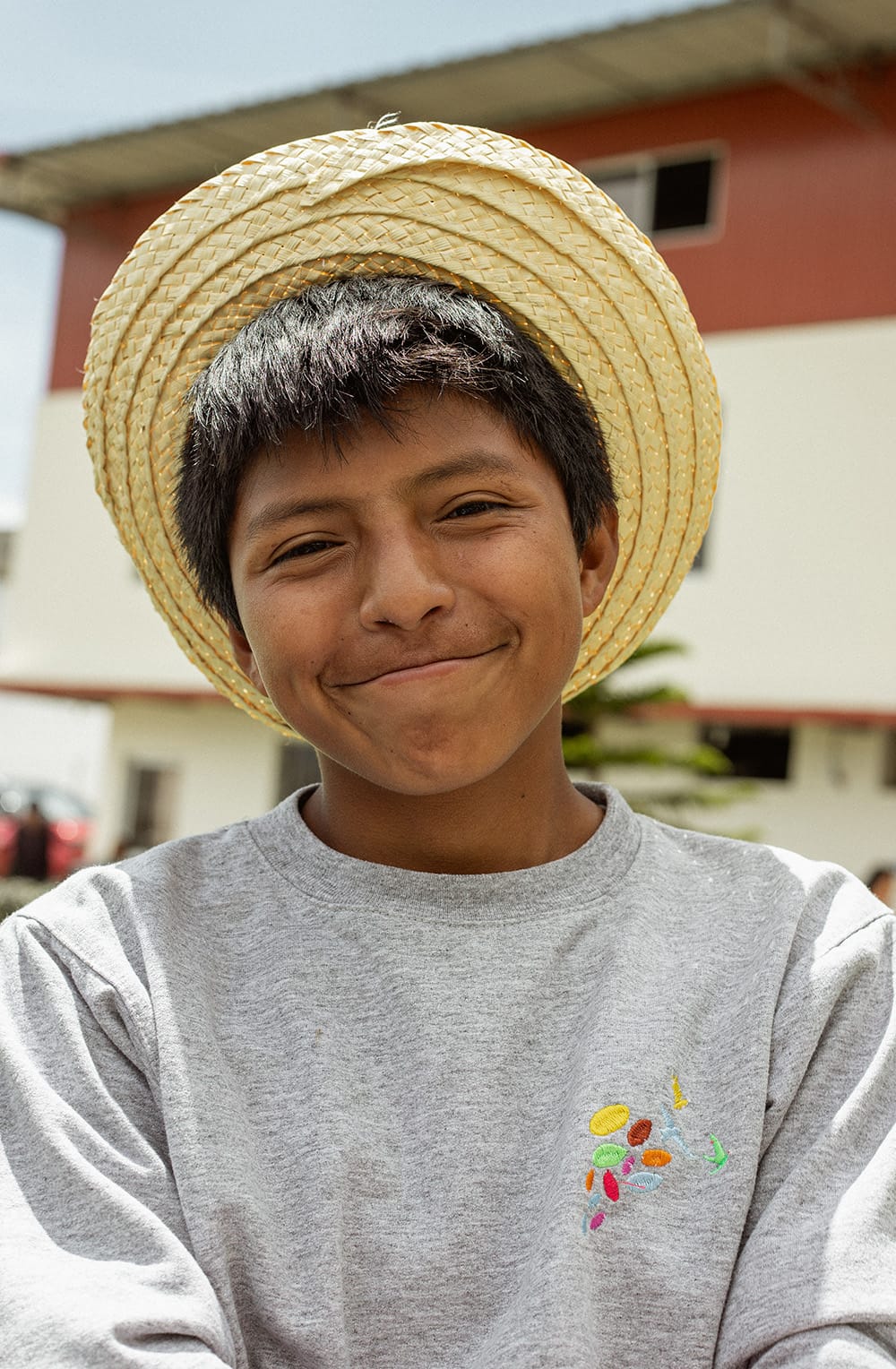
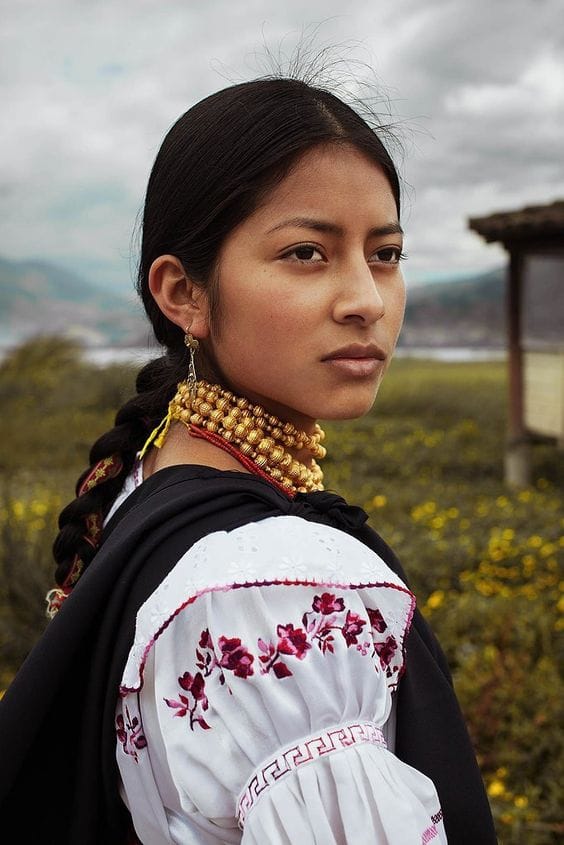
Regional differences exist and manifest in the way people dress, their physical appearance, language and family name.
The people from the Sierra ("serranos") and the people from the Costa ("costenos") display the most pronounced regionalism. Ecuador has 4 diverse regions: the Amazon Rain forest, the Coast, the highland Andes, and the Galapagos Archipelago.
The Sierra is the heartland of Ecuador's indigenous culture.
The oldest cultures of America lived on the Ecuadorian coast. Three cultures still exist: the Aws, the Chachis or Cayapas and the Tsachilas or Colorados.
Dining
- Never arrive on time when invited to a home. Although it may sound strange you should arrive a little later than invited, i.e. 30 -45 minutes late.
- Dress well as this affords the host respect.
- Don’t discuss business at social events unless prompted to.
- It is considered good manners to reciprocate any social invitation.
- Table manners are Continental — the fork is held in the left hand and the knife in the right while eating.
- Guests are served first.
- The host says “buen provecho” (“enjoy” or “have a good meal”) as an invitation to start eating.
- Food is always eaten with utensils. Even fruit is eaten with a knife and fork.
- It is considered polite to leave a small amount of food on your plate when you have finished eating.
- Meals are social occasions and can be quite lengthy.
- Expect lively conversation during the meal.
- Wait for a toast to be made before taking the first sip of your drink.
- The host makes the first toast. The most common toast is “Salud!”
- When you lift your glass, look at the person being toasted.
- If you do not want to drink more, leave your glass one-quarter full.
greetings
- The most common greeting is a handshake with direct eye contact and a smile. While shaking hands, use the appropriate greeting for the time of day: “buenos dias”(good morning), “buenas tardes” (good afternoon), or “buenas noches” (good evening).
- It is appropriate to kiss a female on their right check when greeting and saying goodbye when you are closer in acquaintance.
- People that are close greet in a much more tactile manner; men embrace and pat each other on the shoulder (called an “abrazo”)
- Always let the Ecuadorian determine when to move to this level of formality.
- Always refer to people by the appropriate honorific title (Senor or Senora) and their surname.
- In general, only close friends or family use first names.
- Once someone uses your first name it is a sign that you may also do so.
Meetings
- Ecuadorians are more formal in their business dealings than many other cultures.
- Shake hands when meeting someone and also when leaving.
- Handshakes are generally not very firm.
- A man extends his hand to a woman.
- Maintain eye contact when greeting people.
- Professional or academic titles with the surname are used in business.
- Common titles are “Doctor” (medical doctor or Ph.D.), “Ingeniero” (engineer), “Arquitecto” (architect), and “Abogado” (lawyer).
- If someone does not have a title, the honorific Senor or Senora is used with the surname.
- Always wait until invited before moving to a first-name basis.
communication style
how to effectively converse
Warmth
- Ecuadorians are known for being warm and polite. They can be quite tactile & tend to stand much closer to each other when speaking than in many other cultures. As a result they are highly tuned to body language & non-verbal communication.
- If you are from a culture is less reliant on relationships, trust and non-verbal cues then you need to watch what messages you may, or may not, be giving.
Gathering Information
- Being distant on protective over personal information would be construed as being rude and closed.
- Ecuadorians need information in order to make their minds up on someone. As a result, they will ask probing questions in order to assess how open, trustworthy, or reliable you may be. One should not take this negatively or as an intrusion but rather be forthcoming with information.
Greetings
Handshakes, especially between men, are common. It is considered polite to greet people in stores or when passing on small roads. Ecuadorians also may greet females by touching cheeks while kissing the air, instead of physically kissing each other’s cheeks.
